
How to Buy Retired LEGO Sets: A Collector’s Guide
Buying a retired LEGO set? Start with the set number, then compare seals, minifigures, missing parts, and condition before you decide.
Shipwrecked Collectibles
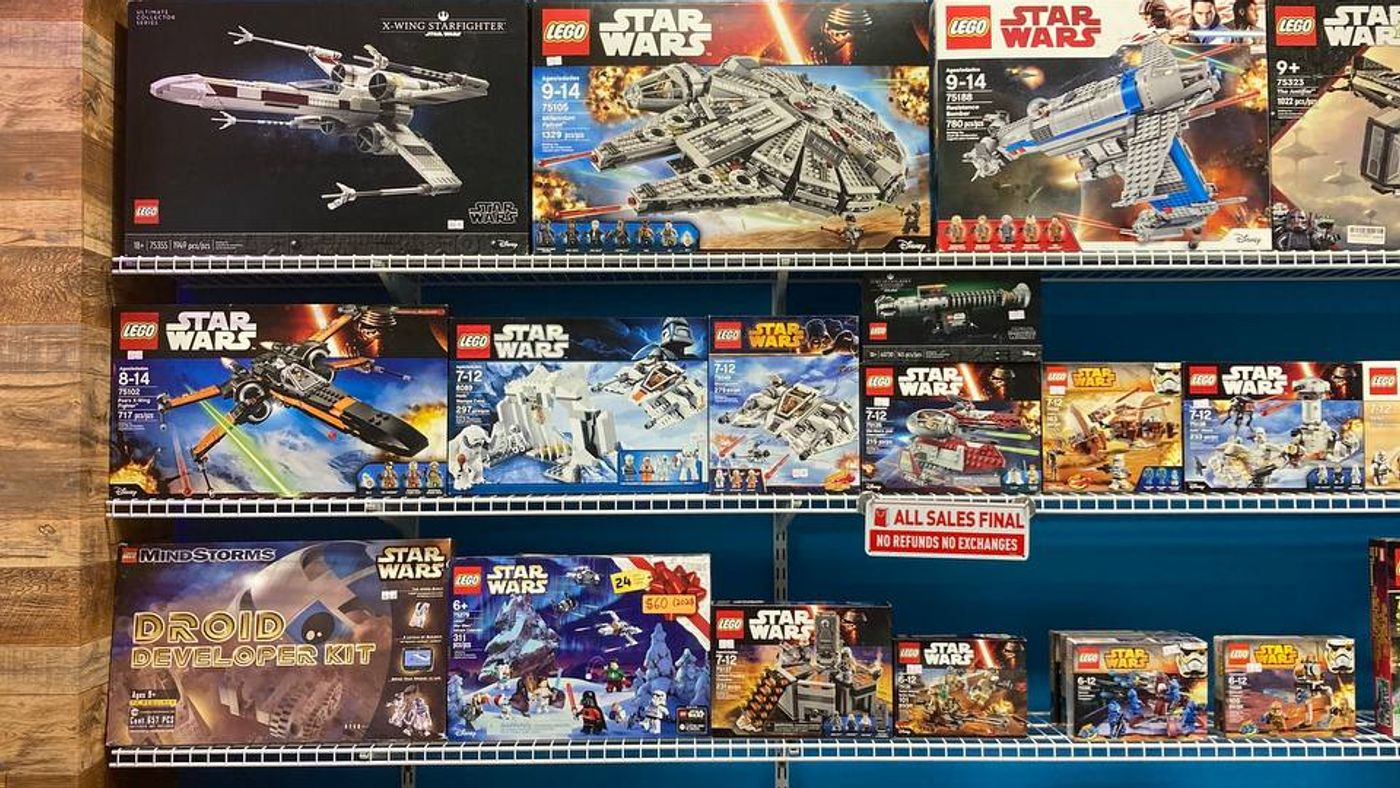
A listing for “LEGO Star Wars X-wing, complete” leaves two important questions unanswered. Which X-wing is it, and what did the seller count? The exact set number tells you which version you’re looking at. The inventory tells you whether the copy is right for your shelf, worth rebuilding, or likely to send you hunting for a missing figure.
What makes a LEGO set retired?
A retired set has left LEGO’s current assortment. It can still turn up as unopened stock at an independent retailer or as a previously owned set. LEGO distinguishes a retired product from one that’s temporarily out of stock, and an older set might disappear from its site altogether. Its guide to retired sets and themes explains what happens when sets leave the lineup.
Collectors look for retired sets to rebuild a childhood favorite, complete a series, or get a design or minifigure that a newer edition doesn’t include. Retirement alone tells you little about how difficult a set is to find or what it should cost. Decide whether you want the experience of building it, a particular version to display, or an unopened box to keep intact. That choice makes comparing listings much easier.
Identify the exact set before comparing prices
- Find the set number on the box or instructions. If neither is pictured, ask the seller to confirm the number and show the model from more than one angle.
- Enter the number into the official LEGO building instructions search. Compare the model and, where shown, the parts inventory near the end of the booklet. The instructions also help you see which special pieces might be hard to spot in an assembled set.
- Compare listings for the same set number and similar condition. A loose build and a sealed box are different purchases. Include shipping and any replacements you can identify, and check whether the seller includes the stand, figures, and accessories shown in the official reference.
LEGO Star Wars gives you a good reason to check twice
Ships such as the Millennium Falcon and X-wing have appeared in multiple editions. The model name alone won’t tell you the scale, construction, or included characters. The same applies to a minifigure with a different helmet, cape, or torso print. If that particular version is why you want the set, ask for a close-up before committing. The method also works for Architecture landmarks, Marvel sets, and Botanical Collection displays. Compare the number and included contents, even when two boxes show very similar subjects.
Sealed, open-box, or used?
- Factory sealed. Useful if you want original packaging or the unopened building experience. Ask for photos of the actual box, its corners, and all closure points. Check for crushing, water marks, or tape over an original seal. Packaging differs across sets and years, so a photo of one seal can’t settle authenticity on its own.
- Open box with unopened bags. Ask which bags are present and whether there are loose pieces, stickers, or inserts outside the bags. Bag numbers can repeat. A row of different numbers in a photo does not prove that every bag is there.
- Previously built or used. Often a sensible choice when building or displaying is the goal. Ask how the seller checked completeness and whether “complete” includes figures, original instructions, stickered parts, and accessories. A built model can hide a color substitution or a missing piece on the underside.
Check the parts that are easy to miss
- Minifigures and accessories. Count the figures for that set number. Look at torso and leg prints, heads, capes, helmets, and small hand-held pieces. Ask about cracks around arms or heels.
- Special pieces. Ask for close-ups of printed tiles, sticker sheets or applied stickers, transparent canopies, and any display stand or plaque. If lighting or motor parts matter to you, ask whether the seller checked that they work.
- Condition. Check for sun discoloration, deep scratches, loose joints, strong odors, or brittle pieces. Ask whether any pieces were replaced and whether the replacements are genuine LEGO parts.
- Instructions and box. A downloadable manual can get you building. The original booklet and box are separate parts of the purchase if you want a complete display or prefer original packaging.
What if a set looks misrepresented?
Ask for photos of the actual item and compare the printed set number, part shapes, and figure prints with a trusted reference. On pieces where a molded LEGO logo is visible, it can be one clue alongside the rest of the evidence. Logos vary in visibility, and genuine and compatible parts can be mixed in the same lot. If the listing relies on stock images or the seller can’t clarify an important mismatch, wait for a copy with clearer documentation.
Buying from an established retailer
Look for clear condition notes, actual item photos, and a way to ask what’s included. Check the seller’s terms before paying, especially when buying a sealed collectible you intend to open. If you have a set number in mind, browse the Shipwrecked LEGO collection, ask Shipwrecked about a specific listing, or plan a visit to the Lake Elsinore shop. Bring your set number and a short list of must-have pieces so you know where to look first.