
Vinyl Record Grading Explained: Mint, VG+, VG and More
Learn what Mint, Near Mint, VG+, and VG mean, how to read separate disc and sleeve grades, and which details matter when buying used vinyl.
Shipwrecked Collectibles
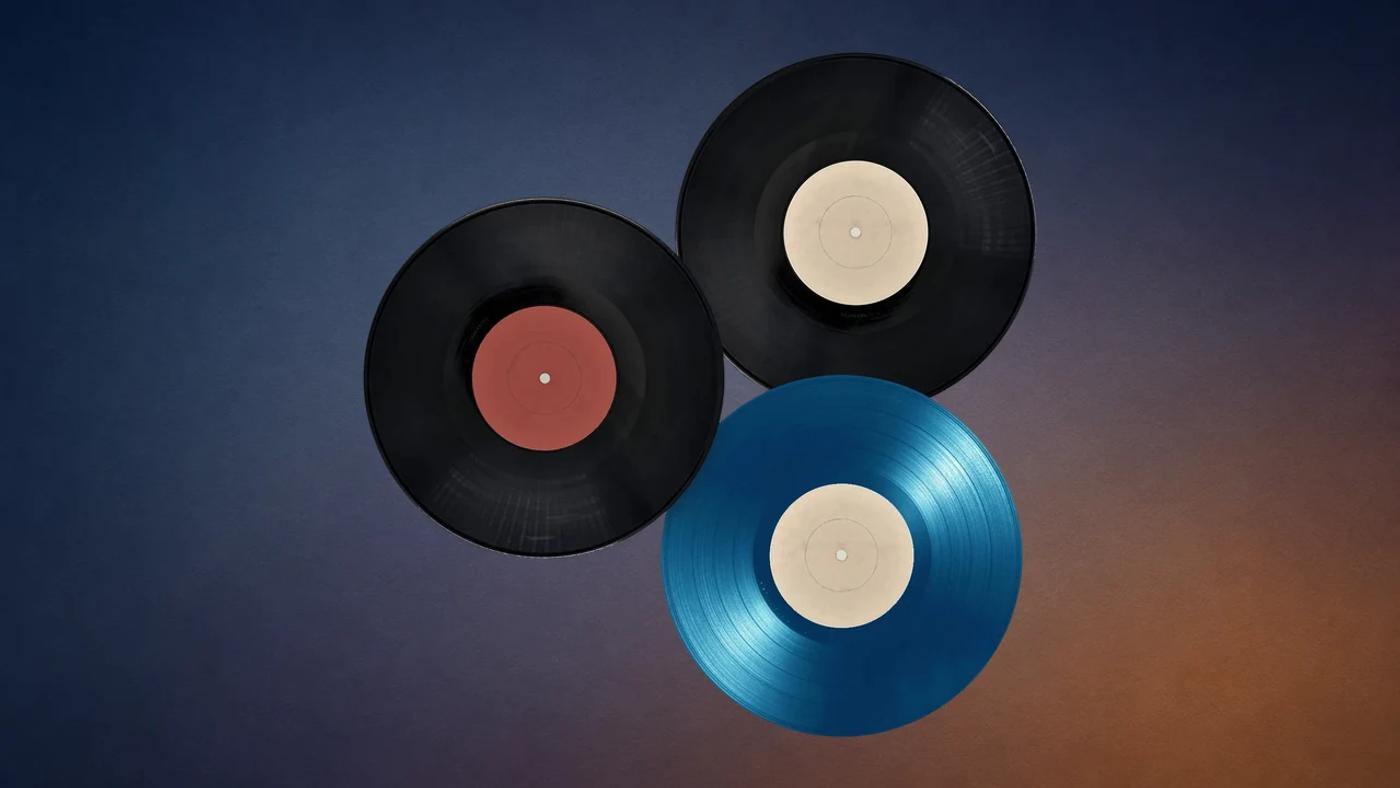
A record marked VG+/VG can be a good listening copy with a cover that’s seen more handling. Read both grades before deciding. The first generally describes the record itself and the second the sleeve, though it’s worth checking the seller’s format. A glossy jacket can hide a worn disc, and a split seam tells you nothing about how the quiet passages sound.
What do vinyl record grades mean?
Discogs uses the Goldmine grading standard. Its scale gives buyers and sellers a common language. A grade is still a judgment, so ask what the seller actually saw or heard if playback is important to you.
- Mint (M). A claim of perfect condition. Use this label sparingly. Intact shrink-wrap limits what you can inspect, and a sealed copy can still have a dented jacket, a warp, or a pressing defect.
- Near Mint (NM). A very clean copy with essentially no signs of wear. A record can meet this grade after careful playback and handling. Expect a jacket that is close to new, with its original contents present when those were included.
- Very Good Plus (VG+). Light handling marks or superficial sleeve scuffs may be visible. They generally shouldn’t get in the way of listening. A VG+ jacket may have small signs of shelf wear or a lightly rubbed corner.
- Very Good (VG). Expect more visible wear and audible surface noise, particularly in intros, fades, and quieter music. A VG cover may show ring wear, edge wear, writing, or a small split. Read the notes to see which flaws apply to that copy.
- Good Plus (G+) and Good (G). In this scale, “Good” means the disc is expected to play through, with substantial noise and wear. Consider it if you’re happy with an imperfect listening copy or you want a placeholder while looking for a cleaner one.
- Fair (F) and Poor (P). Serious problems can include skips, repeated grooves, severe warping, or cracks. These copies are usually best considered for the packaging or another specific reason once you know the damage.
Inspect the disc and sleeve separately
Look at both sides of the vinyl
Under angled light, turn the disc by its edge and look for scratches, dull patches, and uneven edges. A faint paper scuff and a scratch that crosses several tracks can have very different effects. Also look around the spindle hole for repeated handling and across the plane of the disc for a visible warp. Visual inspection can miss noise from groove wear or manufacturing defects. If the seller offers playback notes, ask whether both sides were played through or only a section was spot-checked.
Check what’s in the jacket
Look at the spine, top and bottom seams, corners, and back cover. Check for moisture staining, musty smells, writing, and a circular outline where the disc has rubbed against the jacket. Ask whether original printed inner sleeves, lyric sheets, posters, and other inserts are present if the edition originally included them. A replacement inner sleeve can protect the disc well, but it changes what you’re buying if you want the complete original package.
How do you identify the pressing?
Two copies can have nearly identical covers and come from different factories, countries, or release years. Check the label and catalog number, then look in the smooth area between the last track and the center label. Stamped or etched characters there are called runout markings. Discogs shows where to find identifiers and how they help distinguish releases. Compare both sides when it matters, and use jacket and label details alongside the runouts. A barcode or colored disc by itself may match several editions. If your aim is to hear the album, a clean reissue may suit you more than a worn early pressing.
A quick checklist for buying used vinyl
- Decide what matters most for this copy. Quiet music calls for closer attention to playback noise, while a display copy may need a cleaner sleeve.
- Confirm the disc and sleeve grades, whether the record was play-graded, and which flaws the seller noticed.
- Verify the edition and inserts if they affect your choice. For a multi-disc release, ask about each record.
- Read the return and shipping terms before paying. If a listing is vague, ask for photos of the actual disc and cover.
Keep the condition you paid for
Hold the disc by the outer edge and center label and put it back in a clean inner sleeve after playing. Store records upright, evenly supported, away from heat, sunlight, and damp spaces. Keep shelves sturdy and leave enough room to pull a sleeve out without dragging neighboring covers with it. The Library of Congress record care guide gives more detail on handling, storage, and sleeves.
Browse the Shipwrecked vinyl collection when you have an album or edition in mind. If a listing leaves a question about a particular copy, contact the shop before ordering or check the Lake Elsinore store details before stopping by.